Information hierarchy
Make the important thing visible first and keep secondary detail available without competing for attention.

I design user flows, responsive interfaces and reusable systems for SaaS, mobile products, web experiences and ecommerce. The goal is not decoration. It is to make information, choices and next steps clear enough that people can move with confidence.
Every screen sits inside a larger journey. I look at what the user is trying to understand, what the system needs to communicate and what should happen next, then shape the interface around that decision.
Make the important thing visible first and keep secondary detail available without competing for attention.
Show what changed, what state the product is in and what an action will do before asking for commitment.
Design the relationship between content, controls and hierarchy across desktop, tablet and mobile.
Prototype, review and refine the points where people hesitate, misread the interface or lose context.
Visual polish matters, but the interface becomes reliable when spacing, type, components, states and responsive behavior all support the same interaction logic.
User journeys and task sequences that keep context visible from one state to the next.
Reusable components and patterns that support consistency without forcing every screen into the same layout.
Layouts and interaction states designed for real content and real breakpoints.
Organized Figma, explicit states and design decisions that reduce ambiguity during implementation.
OntarioLandlord demonstrates dense SaaS workflows. MiamiGo shows mobile discovery and operational states. GoPool shows how UX/UI and CRO can clarify a high-consideration buying decision.
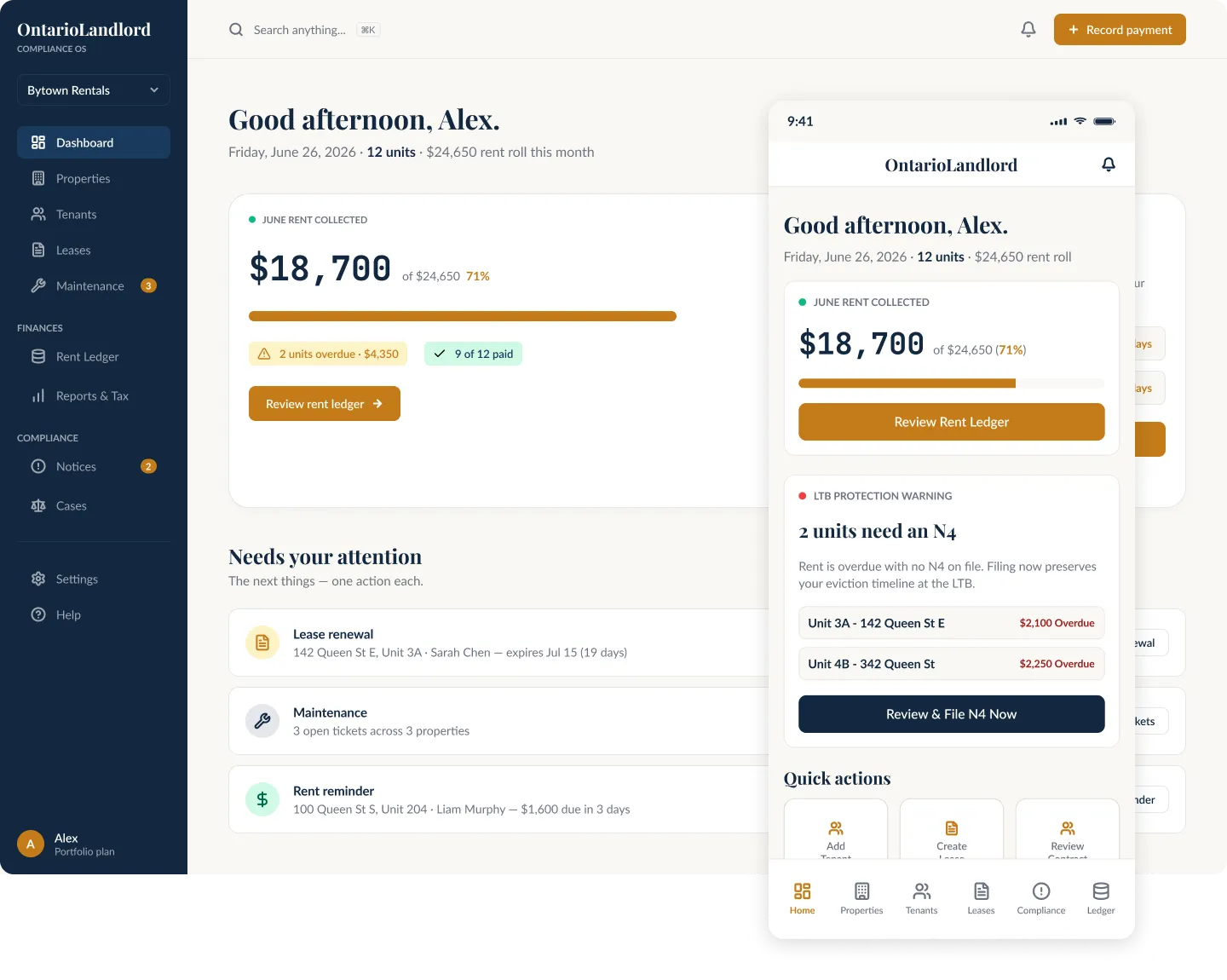
Responsive SaaS UX/UI for onboarding, property setup, compliance and ongoing management.
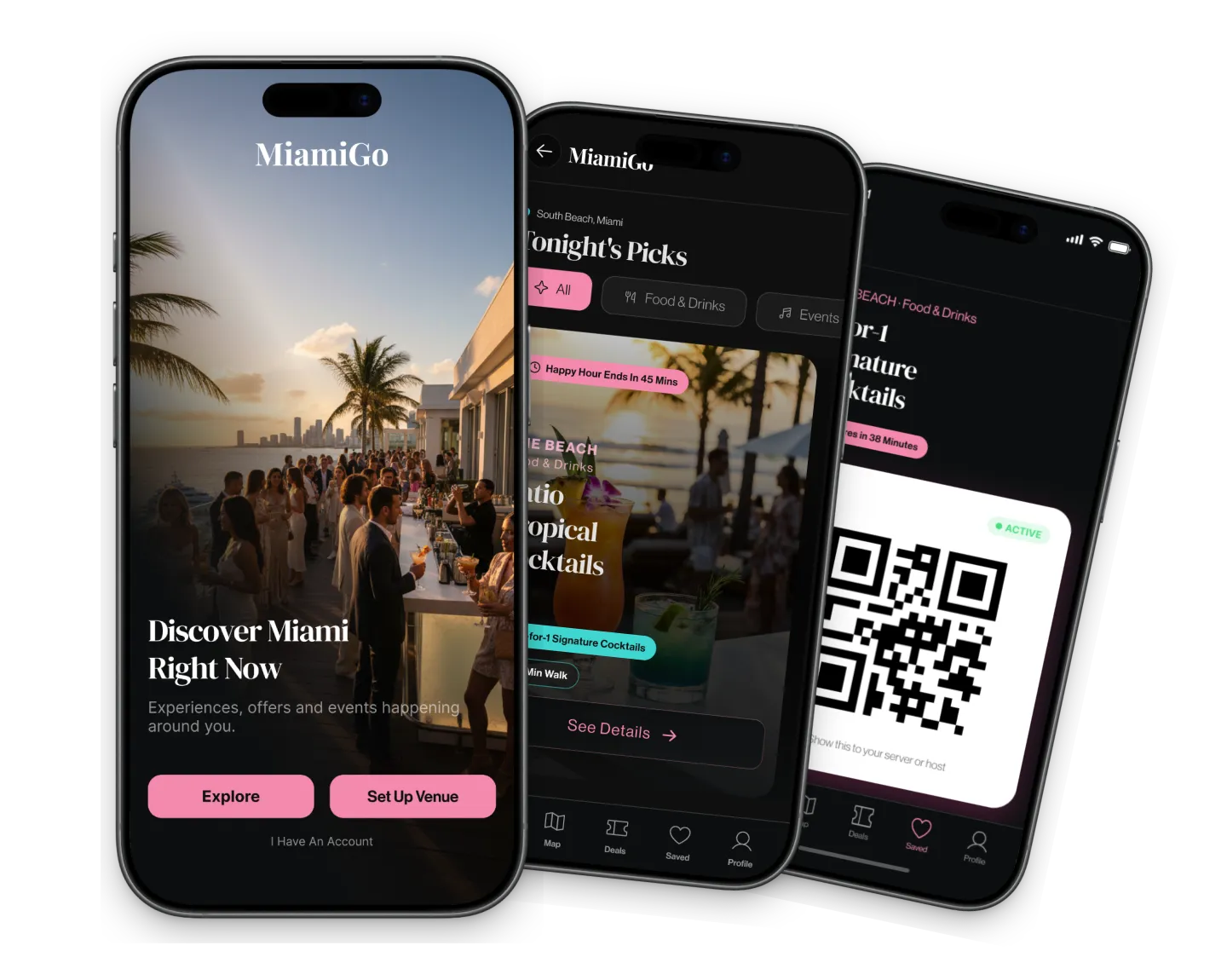
Mobile-first UX/UI connecting discovery, offers, venue operations and measurable product states.

Ecommerce UX/UI that turns technical product complexity into clearer education, comparison and purchase confidence.
I help teams turn complex products, workflows and ecommerce journeys into clear interfaces, stronger conversion paths and developer-ready systems.
Let’s talk