SCOPE
Consumer discovery, venue onboarding, offer creation, redemption states and performance UI.

Designing a
two-sided local
discovery product.
SCOPE
Consumer discovery, venue onboarding, offer creation, redemption states and performance UI.
CONSTRAINT
Two audiences need different interfaces, but the offer must remain one shared state across the system.
DECISION
Use the offer as the product object connecting discover → decide → claim → redeem → measure.
EVIDENCE IN THIS CASE
Consumer flows, business portal, offer states, redemption flow, measurement screens and UI foundations.
VALIDATION STATUS
The case shows the designed product loop. Claim-to-redemption, venue activation and repeat discovery remain next-validation metrics.
01
Consumers need to decide quickly what is worth doing nearby. Venues need a way to activate demand and understand whether an offer created action. The product challenge was to support two different user models without letting them drift into two disconnected systems.
CONSUMER
What is worth doing nearby, right now?
VENUE
How can I turn an empty time window into demand I can measure?
02
The core product decision was to make the offer the shared object across both sides of the system: discovered by the consumer, claimed and redeemed in the real world, then measured by the venue.
DISCOVER
Consumer
DECIDE
Consumer
CLAIM
Shared state
REDEEM
Shared state
MEASURE
Venue
03
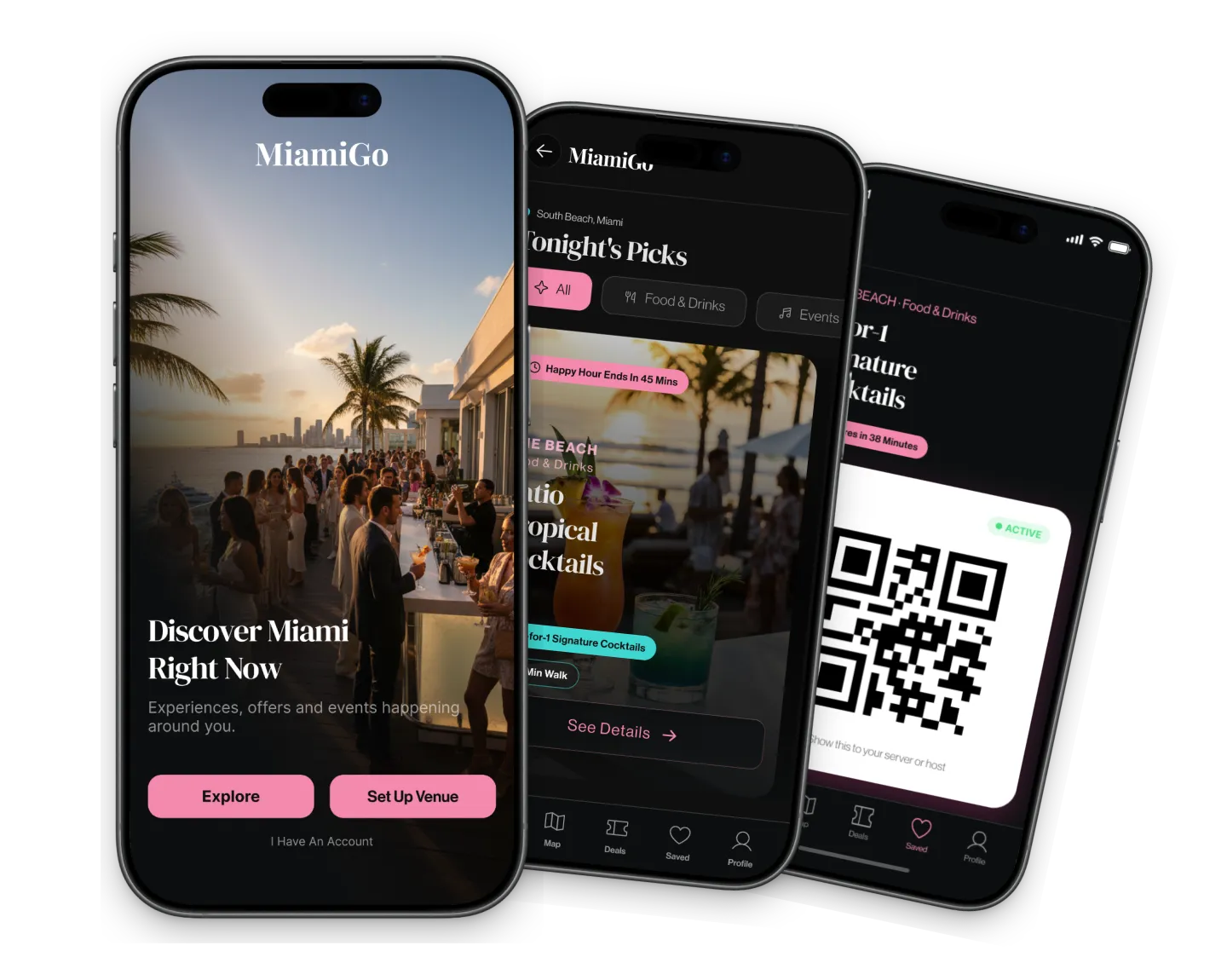
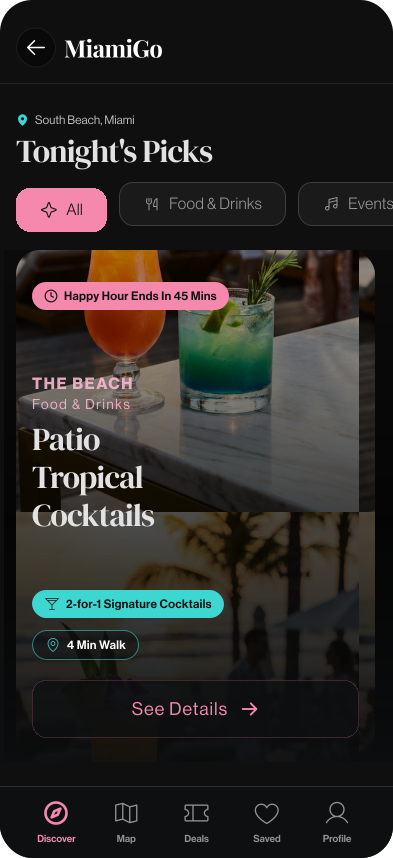
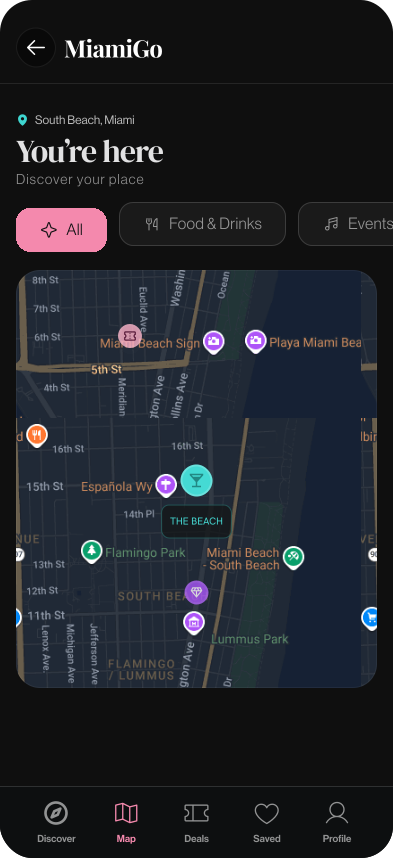
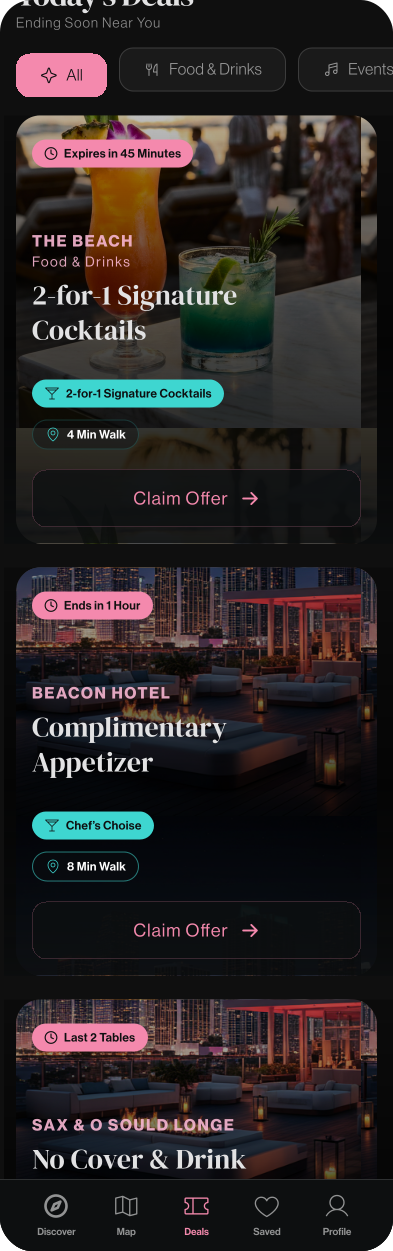
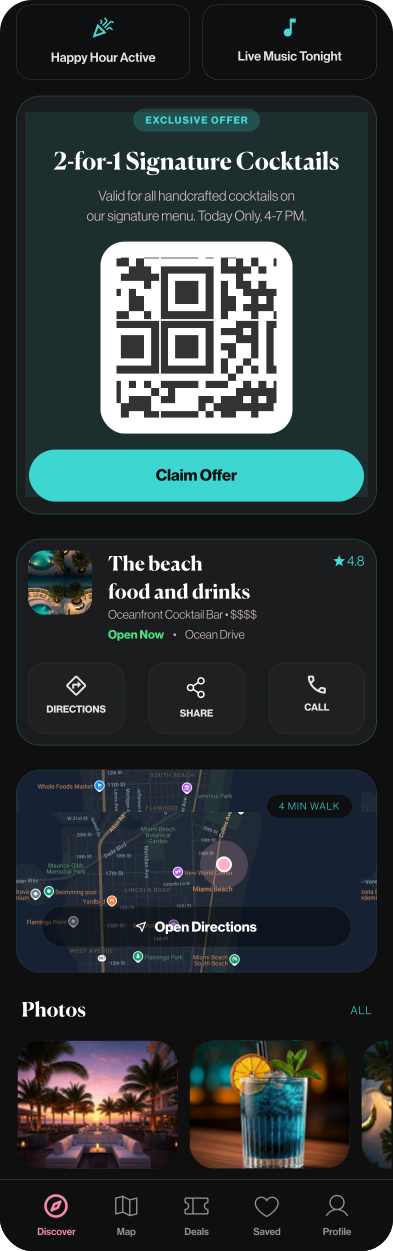
Discovery is organized around time, proximity, visual context and offer value so the interface supports a fast decision without collapsing into a generic local directory.
TIME
Surface what is happening now
PROXIMITY
Keep distance and map context visible
VALUE
Make the offer legible before the tap
CONFIDENCE
Give enough context to decide
01 / 04
04
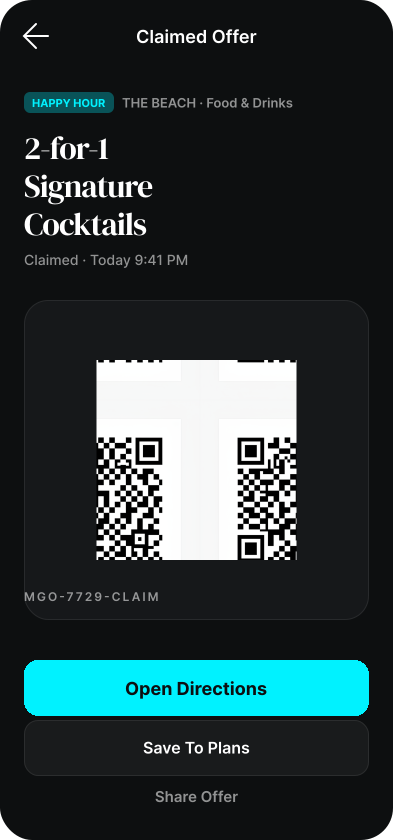
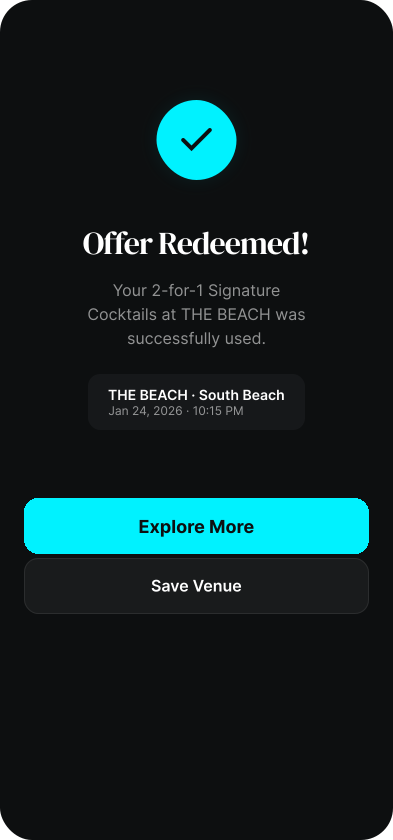
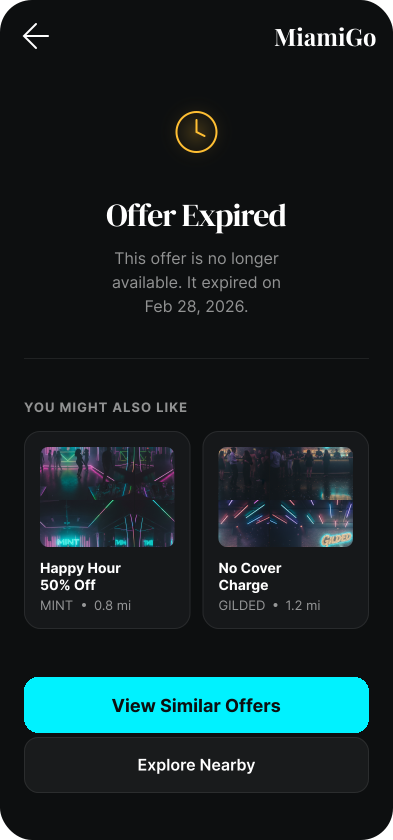
The product needed to connect digital intent with a real-world venue action. Claim, redemption and expiration were designed as explicit product states so both sides understand what happens next.
01 / 03
05
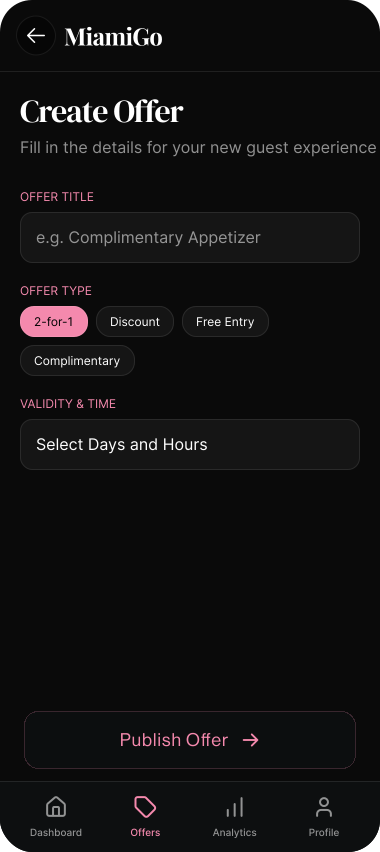
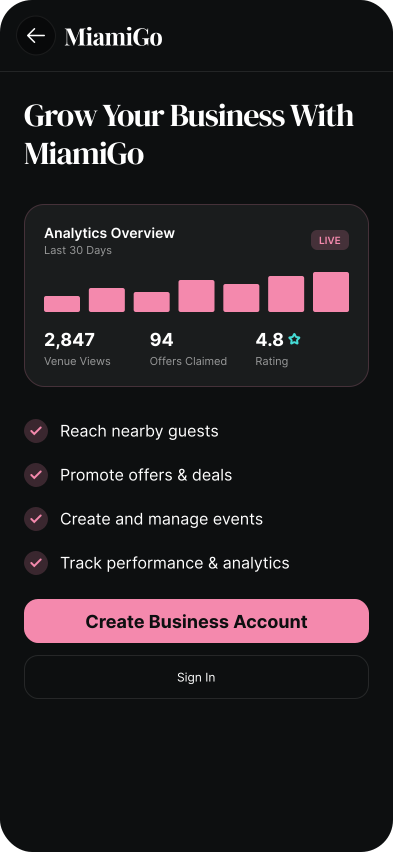
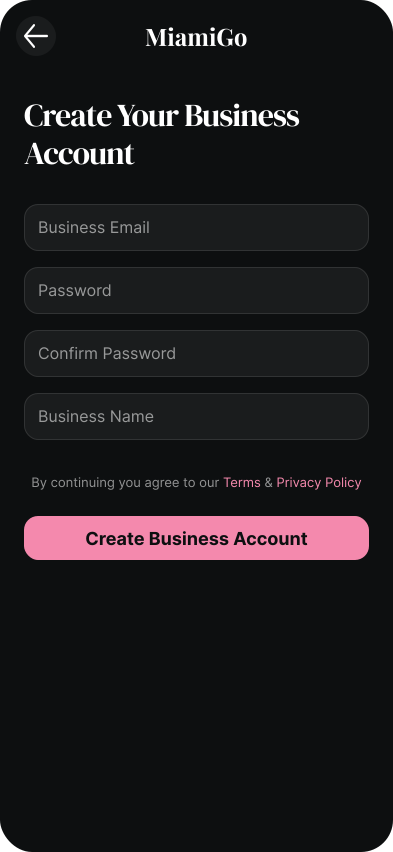
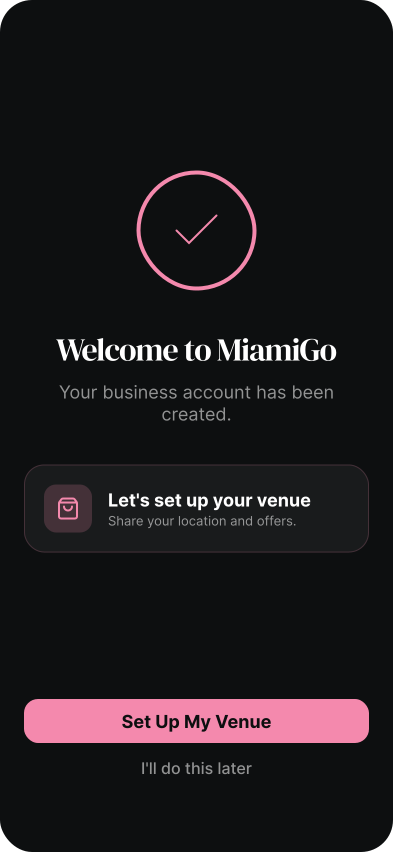
Venue onboarding turns a business need into a guided operational path: enter the partner experience, create the account, establish the venue and move directly toward publishing an offer.
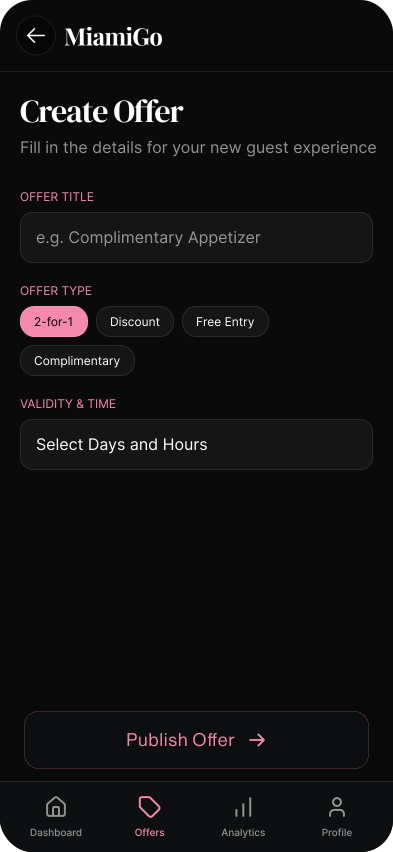
01 / 04
06
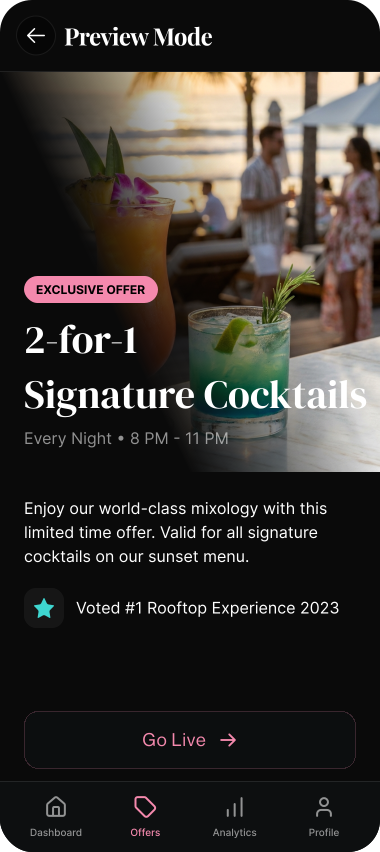
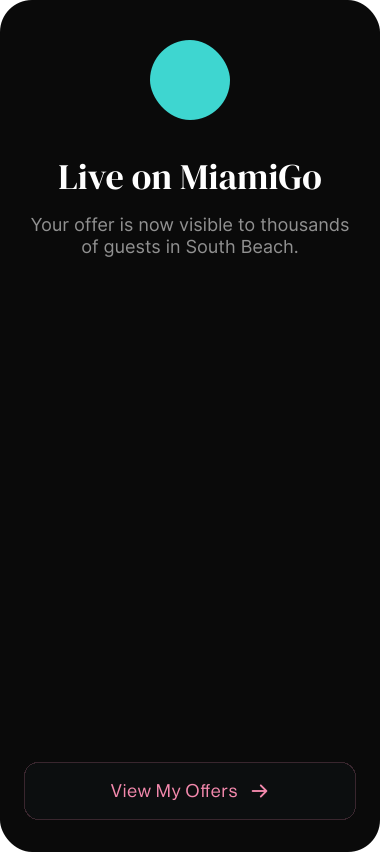
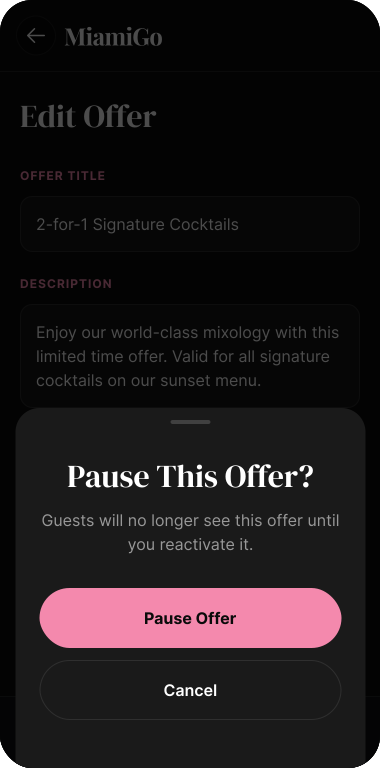
The offer model includes creation, preview, live states, editing, pausing and expiration. Designing these operational states makes the product usable beyond the happy path.
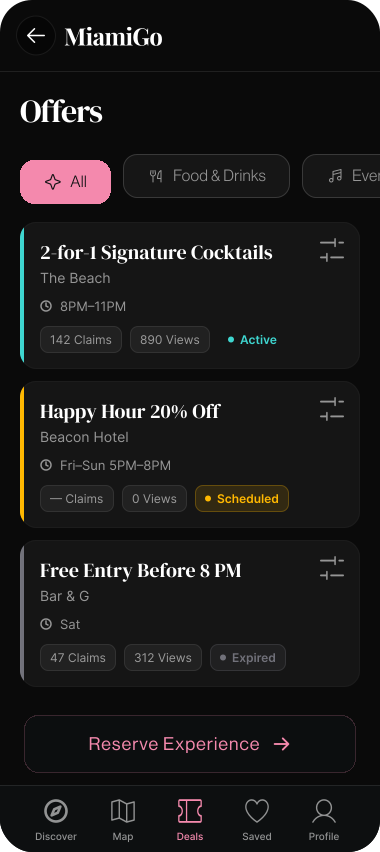
LIST
The venue can see offer status and manage published inventory from one operational surface.
07
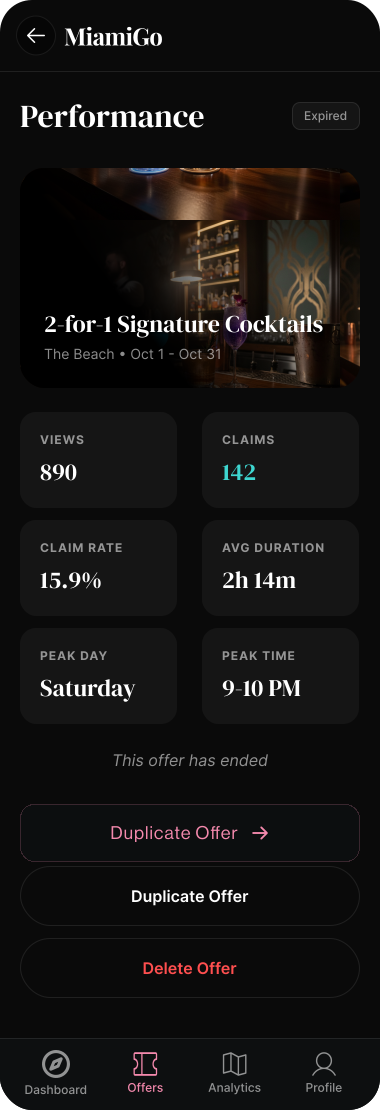
Views and taps are only part of the story. The venue experience was designed to surface claim activity, offer performance and time-based patterns so operators can learn what demand actually converted.
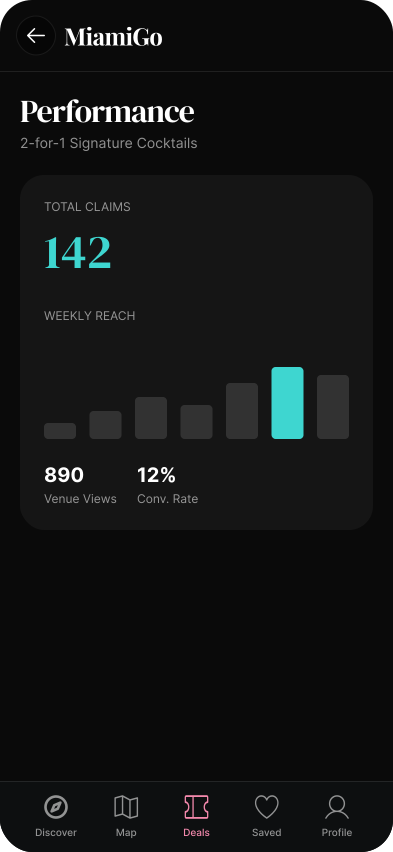
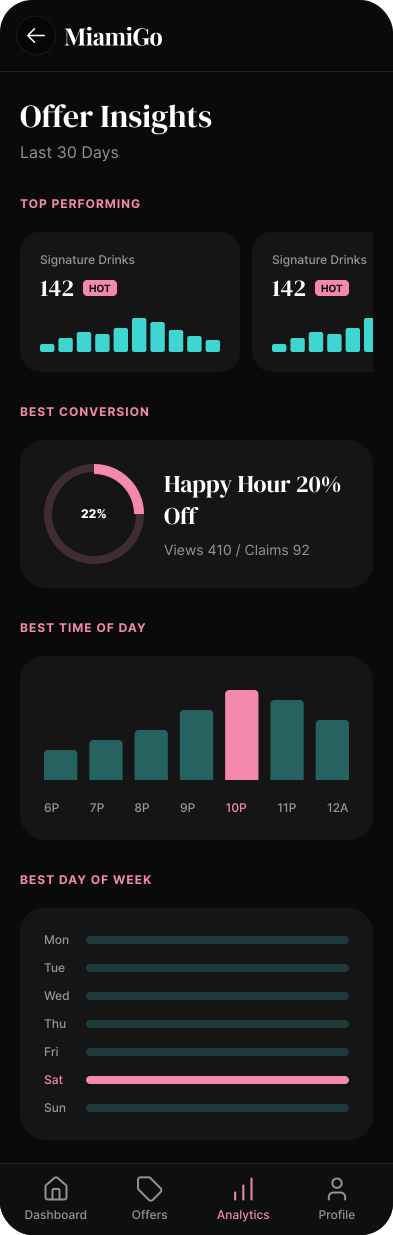
01 / 02
INTEREST
Views and offer engagement
INTENT
Claims created
OUTCOME
Redemption and performance
TIMING
Best time and day signals
08
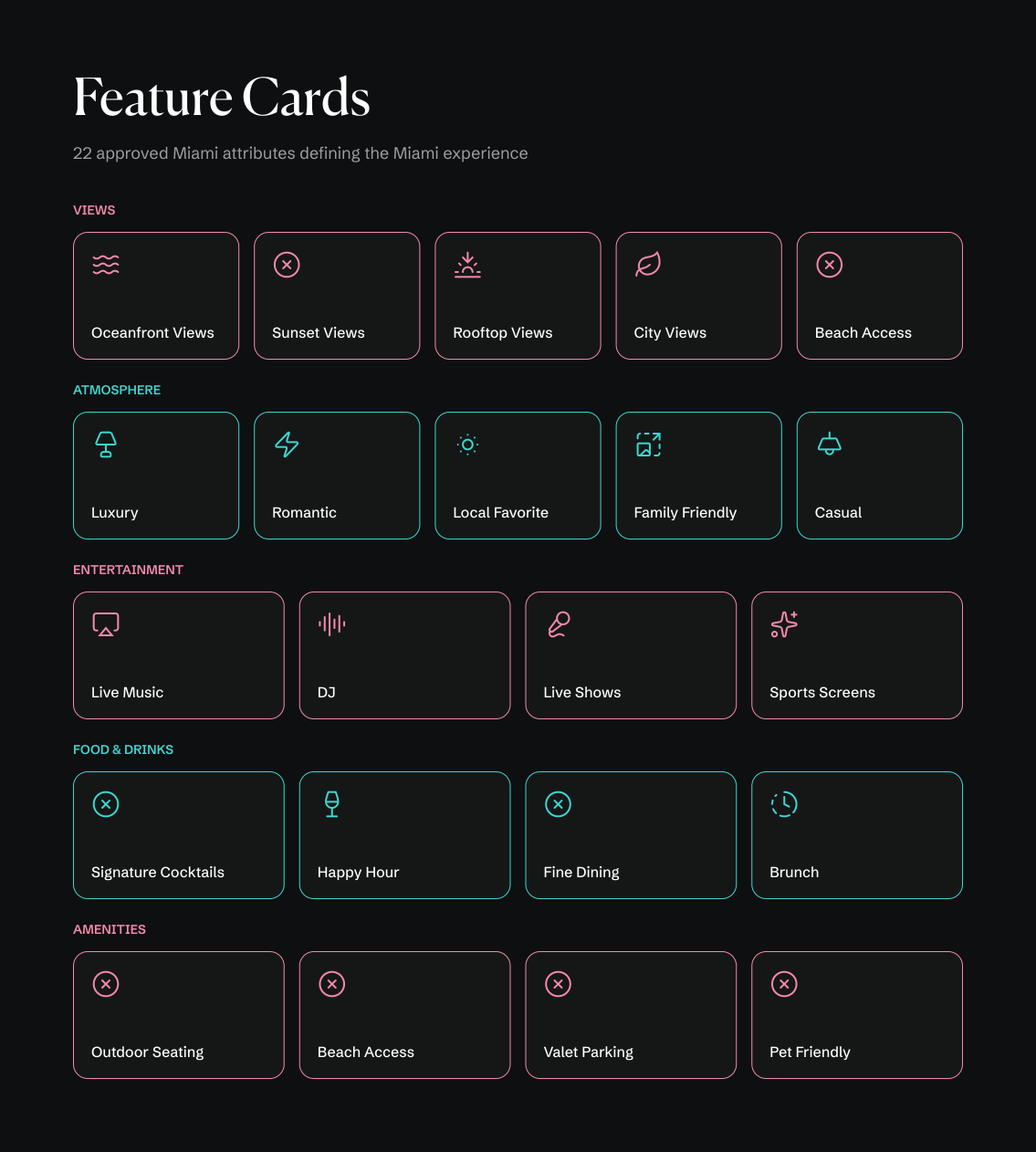
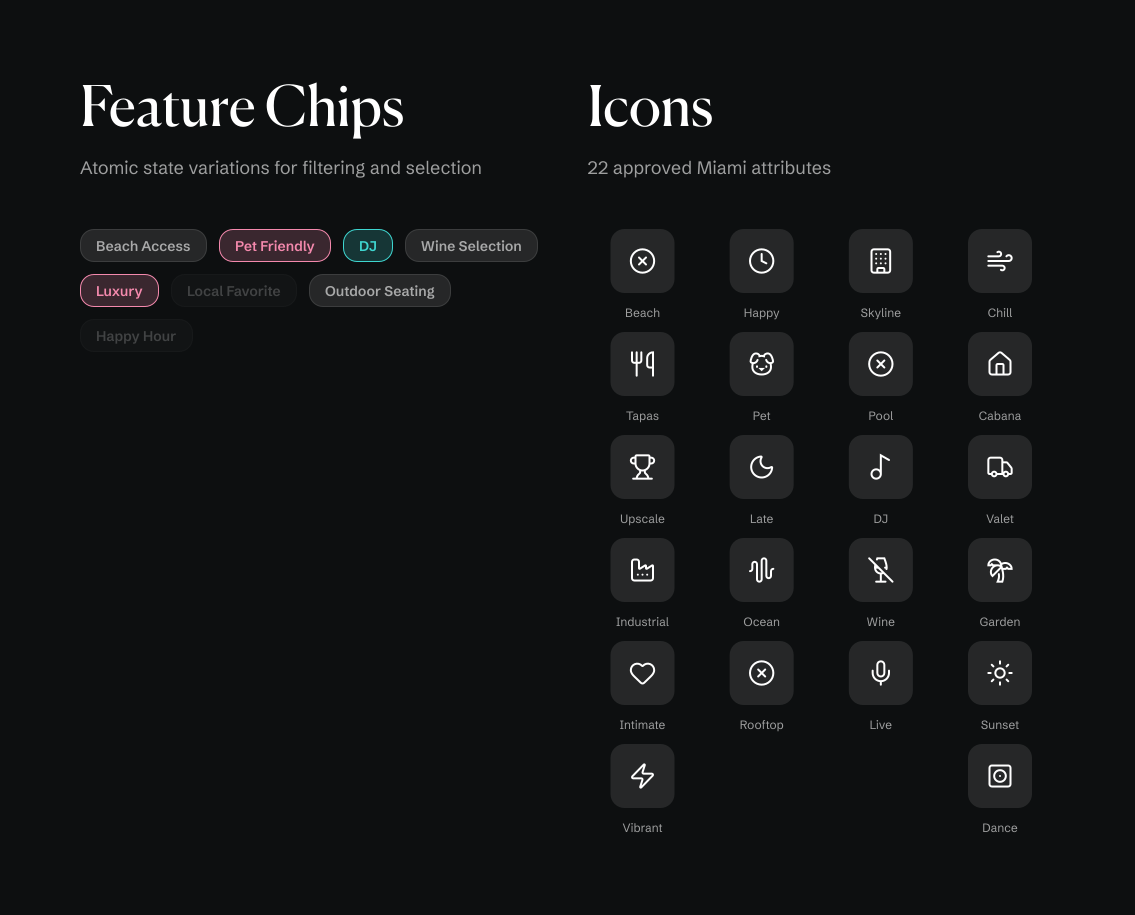
The consumer and venue sides share the same foundations, interaction language and reusable patterns. The system keeps MiamiGo recognizable while supporting very different tasks and information density.
Foundations
pink
#F489ADsky
#3ED6D0black
#0D0F10white
#FFFFFFwhite-55
#FFFFFF8Cwhite-5
#FFFFFF0Dstroke-pink
#F489AD33stroke-sky
#3ED6D033black-75
#0D0F10BFCANELA TRIAL
HeadlinesNEUE HAAS GROTESK
UI / BodyUI, effects & radius tokens
09
The design treats consumer discovery and venue operations as one connected product system. A shared offer object carries state across discovery, decision, claim, redemption and measurement, creating a measurable loop instead of two separate interfaces.
CONSUMER CLARITY
A clearer path from “what is nearby?” to a confident action.
VENUE ACTIVATION
A focused operational path from business setup to publishing and managing an offer.
PRODUCT LEARNING
A measurable loop that can connect discovery behavior with claims and venue performance.
NEXT VALIDATION
Claim-to-redemption rate · Venue activation · Repeat discovery · Offer performance by time window