Offer hierarchy
Made the main value proposition easier to understand at a glance.

Case 18 · Website Design · 2026
A conversion system designed to improve clarity, reduce friction, and increase purchase momentum.
Website structure and UX hierarchy focused on clarity, trust, and stronger directional flow.
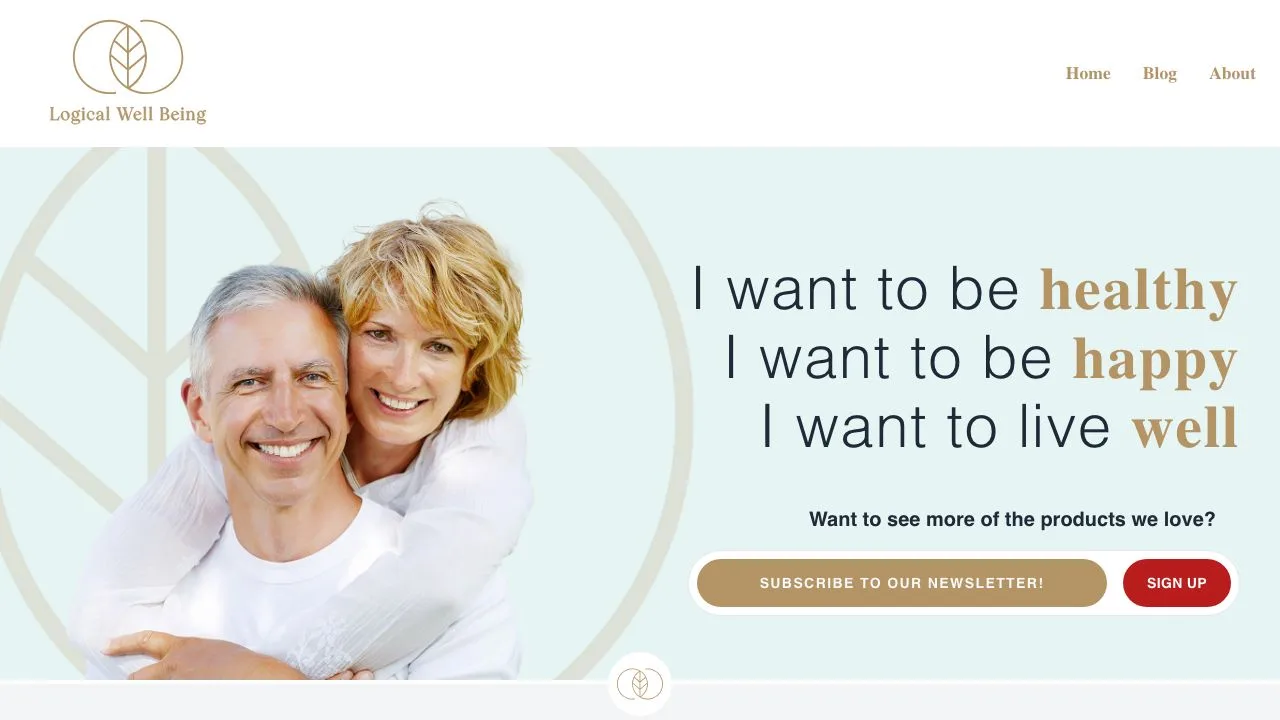
The Challenge
Website structure and UX hierarchy focused on clarity, trust, and stronger directional flow.
Why this matters: websites underperform when users admire the visual layer but still have to work too hard to understand the value.
Reference links
Clarity Strategy
The system had uneven hierarchy and weak decision sequencing, creating hesitation before conversion events.
Designed to make the site easier to interpret before it asks users to commit.
Offer hierarchy
Made the main value proposition easier to understand at a glance.
Trust support
Moved credibility and reassurance closer to key decision points.
Navigation rhythm
Reduced friction in how users move through the site.
Action clarity
Made the next step easier to identify and evaluate.
System Thinking
Why this matters: website UI/UX supports conversion when users can understand the offer quickly, trust it sooner, and move toward action without friction.
Website strategy
Restructured hierarchy, clarified offer flow, and aligned proof and CTA timing across the journey so each step reinforces the next decision.
Trust Building
Helps users understand what matters, trust it sooner, and decide what to do next with less effort.
Clearer hierarchy
Made important content easier to scan before deeper reading.
Better trust timing
Placed proof closer to the moments users are most likely to hesitate.
Reduced navigation friction
Improved how sections lead into one another.
Stronger action path
Kept next steps visible without making the site feel pushy.
Why this matters: a strong website converts by making the offer easier to interpret and easier to trust.
Problem: Users hesitate when the site takes too long to explain what matters.
Design action: Strengthened hierarchy around the main value proposition.
Why it matters: Faster clarity improves engagement and confidence.
Problem: Proof has less impact when it appears after users already feel uncertain.
Design action: Placed credibility signals nearer to key decision points.
Why it matters: Earlier trust support reduces hesitation.
Problem: Even polished websites can feel hard to follow if structure is weak.
Design action: Improved section rhythm and progression.
Why it matters: Users move forward more easily when the path is obvious.
Problem: Calls to action underperform when the page still feels unresolved.
Design action: Refined action hierarchy and supporting context.
Why it matters: Users act faster when the next step feels clear and justified.
Decision Flow
Why this matters: websites convert better when every section reduces effort before the CTA.
01
HOME
Homepage
Expected Impact
No fake metrics. The expected impact is framed around clearer hierarchy, stronger trust, and cleaner action readiness.
Conversion clarity
Brand site
Observed business impact
Strategic improvement
Data note
Hard performance metrics were not publicly documented. Impact is described through the website UX logic the project was designed to improve: hierarchy, trust timing, and action clarity.
Related services
Next Steps
If your pages look good but still underperform, I can audit the flow, clarify the structure, and define a cleaner path before design execution.
Typical response within 24h